Shop blue tongue skinks for sale. Captive-bred, healthy skinks available from trusted breeders with safe shipping nationwide.
shop now
OUR PRODUCTS
$299.00 Original price was: $299.00.$255.00Current price is: $255.00.
$599.00 Original price was: $599.00.$499.00Current price is: $499.00.
Blue Tongue Skink for Sale – Healthy, Captive-Bred Skinks Shipped Worldwide
Looking for a blue tongue skink? You probably want a calm, smart lizard that’s easy to care for—something great for beginners but still interesting for experienced reptile folks. Blue tongue skinks are some of the most popular pet lizards around. People love their gentle nature, the flash of that bright blue tongue, and the fact that they stick around for years.
We focus on healthy, captive-bred blue tongue skinks. Each one comes from ethical sources, and we ship to the USA, UK, Australia, Canada, UAE, and Austria. Of course, we follow all local rules and regulations.
Why Pick a Blue Tongue Skink?
Blue tongue skinks (Tiliqua species) are popular for a bunch of reasons:
– They’re friendly and easy to handle
– They do well in captivity and don’t stress easily
– Feeding’s easy—they eat all sorts of foods
– With good care, they live 15 to 25 years
– Perfect for first-time reptile owners
If you’re shopping for a blue tongue skink online, make sure you go with a seller who knows what they’re doing. Good genetics and a healthy start make all the difference.
Different Types of Blue Tongue Skinks
Depending on what’s legal and in stock, we offer several types:
– Northern Blue Tongue Skink
– Indonesian Blue Tongue Skink
– Eastern Blue Tongue Skink (for our Australian customers)
– Irian Jaya Blue Tongue Skink
We raise every skink ourselves, check them over for health, and sex them when possible before they’re listed.
All Captive-Bred—No Wild-Caught
All our skinks are bred in captivity. No exceptions. That means:
– They’re calmer and friendlier
– Lower risk of parasites and stress
– They settle into new homes quickly
– It’s better for wild populations
When you buy captive-bred, you also support responsible reptile breeding.
Blue Tongue Skink Prices and What Affects Them
Prices change based on a few things:
– Species and color morph
– Age and size
– Local laws
– Where you need it shipped
We keep our prices clear, update availability often, and answer your questions before you buy.
Safe Shipping—Worldwide
We ship safely to:
United States 🇺🇸
United Kingdom 🇬🇧
Australia 🇦🇺
Canada 🇨🇦
United Arab Emirates 🇦🇪
Austria 🇦🇹
Your skink travels in temperature-controlled packaging, with live arrival guaranteed (where allowed), and we handle all the paperwork for legal import and export.
How to Buy Online
Buying a blue tongue skink from us is easy:
– Browse our available skinks
– Double-check that it’s legal where you live
– Choose shipping or local pickup
– Get care tips and ongoing support
Not sure what you need? Our team is here to help you pick the right skink and set up their home.
Is a Blue Tongue Skink the Right Fit?
If you want a smart, gentle lizard with a little personality, you can’t go wrong with a blue tongue skink. Treat them well, and they’ll bond with you and thrive in your care.
Ready to Find Your Skink?
Check out our listings to find a blue tongue skink that fits your life. No matter if you’re in the USA, UK, Australia, Canada, UAE, or Austria, we make it safe, legal, and easy to bring home one of these amazing lizards.
Shop blue tongue skinks for sale now—stock is limited.
Blue Tongue Skinks for Sale: Why These Smart Lizards Make Great Pets in 2026
Blue tongue skinks are having a moment. More people than ever are searching for these curious, easygoing lizards—and it’s easy to see why. They’re famous for their bright blue tongues, expressive personalities, and long lives. Whether you’re brand new to reptiles or you’ve kept them for years, these skinks are stealing the spotlight.
If you’re shopping around for a blue tongue skink, make sure you buy from someone reputable. Stick with sellers who offer healthy, captive-bred skinks and handle international shipping the right way. That’s how you set yourself up for success.
Why Is Everyone Talking About Blue Tongue Skinks?
Honestly, they just fit into people’s lives. They’ve got these dog-like personalities—curious, social, and surprisingly gentle. Their diet is easier to handle than most reptiles. More folks care about ethical reptile breeding these days, too, and blue tongue skinks are leading the charge. Plus, they’re popping up for sale in more places, so it’s easier than ever to find one.
Unlike some high-maintenance lizard species, blue tongue skinks settle into captivity well, as long as you give them proper care. That’s a big deal for anyone who wants a pet but doesn’t have endless free time.
All Our Blue Tongue Skinks Are Captive-Bred and Ethically Raised
We only offer captive-bred blue tongue skinks. That means healthier animals and better experiences for owners. Captive-bred skinks are used to people. They’re less skittish, adapt to new homes faster, and live longer than wild-caught ones.
Here’s why captive-bred is the way to go:
Less stress and fewer parasites
Friendlier, more predictable personalities
Better eaters
You’re supporting ethical, sustainable reptile keeping
Which Blue Tongue Skinks Can You Buy?
Depending on the time of year and where you live, we offer several types:
Northern Blue Tongue Skinks
Indonesian Blue Tongue Skinks
Irian Jaya Blue Tongue Skinks
Eastern Blue Tongue Skinks (only available in Australia)
Each listing comes with all the care info you’ll need to make a smart choice.
How Much Do Blue Tongue Skinks Cost?
Prices vary. It depends on the species, age, and where you live. Things like breeding quality, size, how mature the animal is, and shipping all play a role. We keep our pricing and availability clear so you always know what you’re getting into.
Safe, Legal Shipping—Worldwide
We ship blue tongue skinks safely and by the book to:
United States
United Kingdom
Australia
Canada
United Arab Emirates
Austria
Your new skink travels in climate-controlled packaging, with experienced reptile couriers, and always follows local wildlife laws.
Is a Blue Tongue Skink Right for You?
If you want a reptile that knows you, tolerates being handled, and fits into a busy life, blue tongue skinks are hard to beat. Set up their enclosure right and feed them well, and they’ll stick around for 20 years or more.
Loads of people search, “Is this pet right for me?” Blue tongue skinks always come up as one of the top choices.
Where to Find Blue Tongue Skinks Online
If you’re ready to buy, pick a seller who cares about:
Captive-bred animals
Being upfront and honest
Following the law
Helping out after the sale
We help people all over the world find healthy, ethically sourced blue tongue skinks.
Ready to Meet Your New Skink?
See for yourself why everyone’s talking about these amazing lizards. Check out our current blue tongue skinks for sale and find your new companion—whether you’re in the USA, UK, Australia, Canada, UAE, or Austria.
Shop blue tongue skinks now—stock is limited.
Blue Tongue Skink for Sale: The Real Buyer’s Guide to This Gentle, Hardy Lizard
If you’re on the hunt for a blue tongue skink, you probably want a pet that’s chill, looks cool, and doesn’t take a
ton of extra work. Blue tongue skinks really hit the sweet spot—they’re calm, they live a long time, and they settle into captivity without much fuss. Doesn’t matter if y
ou’re new to reptiles or you’ve kept them for years, this guide lays out what you need to know before bringing one home.
We’ll talk about care basics, what they eat, the legal stuff, and how to set up the right enclosure—basically, everything you need to make a smart, responsible choice if you’re thinking about buying a captive-bred blue tongue skink in the USA.
What’s a Blue Tongue Skink, Anyway?
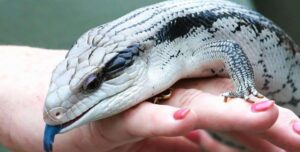
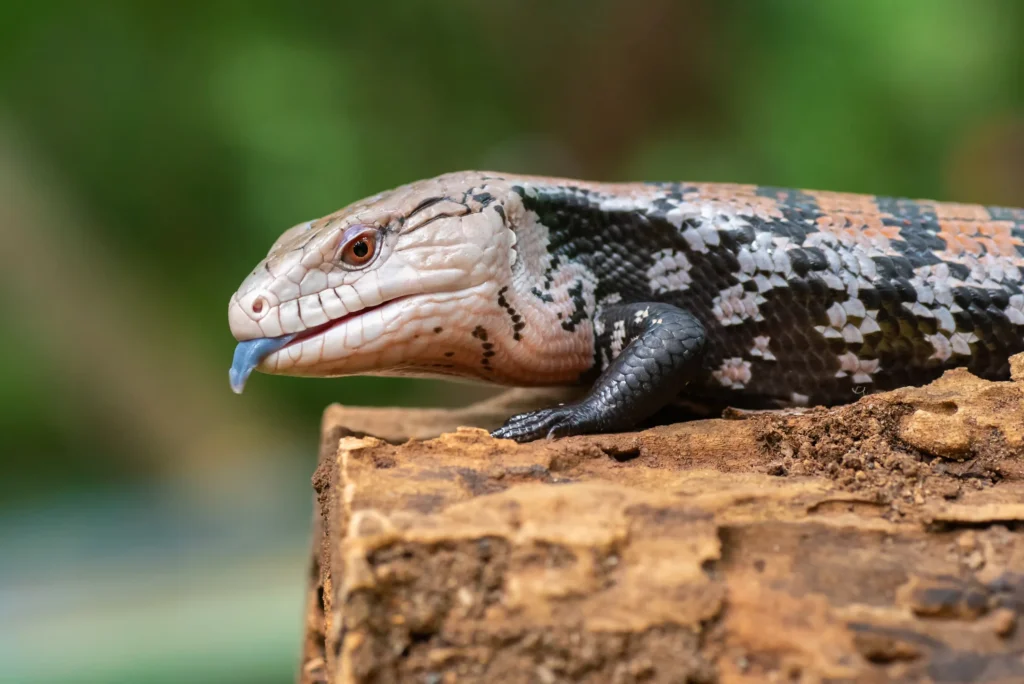
These lizards are pretty big compared to most pet reptiles. They come from Australia and parts of Indonesia, and yes, their tongue really is blue. It’s not just for show—it’s a warning to predators. But don’t let that tough-guy look fool you. Blue tongue skinks are actually mellow, curious, and can be surprisingly interactive.
If you start searching for blue tongue skinks for sale, you’ll see a few different types—Northern, Eastern, Indonesian, and Merauke, to name a few. Northerns are the most common in the USA because they’re steady, friendly, and easy to care for.
Why People Love Blue Tongue Skinks
A lot of reptile lovers in the USA pick blue tongue skinks because they’re the right size, they’ve got a good personality, and they aren’t a hassle. Smaller lizards can be nervous or delicate, but these guys? They’re solid. Handle them gently and they’ll usually be fine.
Here’s why blue tongue skinks are such a hit:
– They’re friendly and easygoing.
– Captive-bred ones have strong immune systems.
– Their omnivore diet is simple to manage.
– They live a long time—way longer than many other pet reptiles.
– Great for beginners, but experienced keepers love them too.
If you buy from a good breeder in the USA, you’re not just getting a pet—you’re getting a little buddy for the long run.
Temperament and Behavior
Let’s be real, temperament is a big deal. Blue tongue skinks are famous for being laid-back. Babies might be shy at first, but most will warm up with regular handling.
They almost never bite, and if something spooks them, they’d rather wander off than start a fight. A lot of keepers say their skinks act “dog-like”—curious, they learn routines, and they even seem to know their owners.
Captive-bred skinks adjust better and stay healthier than wild-caught ones, hands down.
Lifespan: Not a Short-Term Thing
Thinking about getting a blue tongue skink? Just know you’re signing up for a long-term commitment. With good care, these lizards easily live 15 to 20 years—some even longer.
That’s great if you want a steady reptile companion, not just a pet for a couple of years. Plus, if you go with a reputable breeder in the USA, you’re giving yourself the best shot at a healthy, thriving skink.
What to Feed Your Blue Tongue Skink
One of the reasons blue tongue skinks are so popular? Feeding them is easy. They’re omnivores, so you’ve got lots of options.
Here’s what goes into a solid diet:
– Good protein (bugs, lean meats, eggs)
– Veggies—think greens, squash, carrots
– Fruit now and then as a treat
– Calcium and vitamins
Honestly, feeding time can be a highlight. Captive-bred skinks are used to prepared diets, so there’s no drama. It’s straightforward and fun.
Enclosure and Habitat Setup
Housing matters. Blue tongue skinks live on the ground, so they need more floor space than height.
For adults, you want at least a 4x2x2 foot setup. Use a solid substrate so they can dig, and make sure there’s a temperature gradient with a warm basking spot. UVB lighting is non-negotiable for their health. Add hides on both the warm and cool sides so they can chill wherever they want.
In the USA, people usually go with PVC or wooden enclosures—they keep the temperature and humidity steady. That’s what captive-bred skinks need to stay stress-free and healthy.
Temperature, Lighting, and Humidity
Blue tongue skinks want it warm—basking zones should hit 95–105°F, with the cool side closer to 75–80°F. Don’t skip the UVB light, especially if your setup’s indoors (which, let’s be honest, is almost everyone in the USA).
Humidity depends a bit on the type, but Northerns—the most common here—do well with moderate humidity. Stick to that, and your skink will be happy.
That’s the basics. If you want a pet that’s friendly, hardy, and stays with you for years, a blue tongue skink is hard to beat. Just be ready for the commitment—they’re worth it.
Good care makes all the difference for your blue tongue skink. Set up the right environment, and you’ll have a healthy, lively pet that sticks around for years.
Now, a big reason people hunt for blue tongue skinks in the USA? They’re just easy to handle. These guys usually warm up to regular interaction if you take it slow.
A few tips for handling:
– Support their whole body
– Don’t make any sudden moves
– Be gentle and consistent
– Give them a little time to settle after they arrive
If you pick a captive bred blue tongue skink, you’ll notice it gets comfortable with people a lot faster.
Let’s talk legality.
You don’t want any surprises, right? Blue tongue skinks are legal in most parts of the USA, but some states and cities have their own rules. Always double-check your local laws before buying. Good sellers and responsible breeders keep everything above board and follow the rules.
Buying a captive bred skink matters for other reasons too. It’s better for conservation and much more ethical.
Why go for captive bred?
Simple. They’re healthier, parasite-free, friendlier, easier to feed, and you know they’ve been sourced the right way. Across the country, most serious reptile keepers stick with captive bred animals—it just makes everything easier in the long run.
When you’re browsing skinks for sale, always ask about their breeding history. Don’t skip this step.
Choosing where to buy is a big deal. Not all sellers are the same. Pick a reputable breeder and you’ll get clear care instructions, health guarantees, and support even after you bring your skink home. Plus, you know you’re getting a captive bred animal.
So, is a blue tongue skink right for you?
If you want a tough, friendly, low-maintenance pet lizard, they’re a fantastic choice. Beginners and longtime reptile fans both love them.
If you’re looking for a companion with a big personality, now’s a great time to find a blue tongue skink from a source you trust.
Bottom line: finding the right blue tongue skink isn’t just about the price tag. It’s about healthy animals, ethical choices, and setting yourself up for success. Stick with captive bred skinks from trusted breeders, and you’ll have a rewarding pet for years.
With good care, blue tongue skinks do great in homes all over the USA. No surprise they’re one of the most popular pet lizards out there.
testimonials
Absolutely thrilled with my experience buying from bluetongueskinkforsale.com!
I had been researching for weeks before finally deciding to buy a blue tongue skink from bluetongueskinkforsale.com. From the moment I placed my order, the team was communicative and supportive, answering all my questions about care and shipment. My skink arrived healthy, alert, and comfortable — much better than I expected. Setting up the enclosure went smoothly, and watching him explore his new home has been one of the most rewarding parts of pet ownership. I’ve recommended them to all my reptile groups across the USA and can confidently say customer care here is top-notch.
Mark Jance
/ Facebook
Fantastic service and a beautiful companion!
I wasn’t sure what to expect when I decided to buy a blue tongue skink online, but bluetongueskinkforsale.com made the whole process easy. Their staff walked me through diet, enclosure setup, and what to expect in the first few weeks. My new skink arrived calm and curious, just as they described. The package even included helpful tips on feeding and temperament, which made adapting to life in my home seamless. Having a blue tongue skink has been such a joy — and I’ve already told several friends around the USA who are also thinking about getting one.
Della Look
/ Facebook
Blue Tongue Skink for Sale: Why This Calm, Smart Lizard Is One of the Top Reptile Pets in the USA
If you’re here looking for a blue tongue skink for sale, you’re in good company. All over the USA, more and more people are falling for these chunky little lizards—and honestly, it’s easy to see why.
Blue tongue skinks are chill, clever, and live a long time. They’re not fussy about care, either. First-time reptile owner? These guys won’t stress you out. Even if you’ve kept other lizards before, upgrading to a blue tongue skink just feels like a step up. They’re that rewarding.
Let’s get into why everyone’s talking about them, what sets them apart, and what you need to know before bringing home a captive bred blue tongue skink.
Why Blue Tongue Skinks Are So Popular Right Now
Across the USA, reptile keepers are moving away from the delicate, high-maintenance species and picking pets that are sturdier and more interactive. That’s where blue tongue skinks really stand out.
When people spot a blue tongue skink for sale, they’re usually surprised by how “dog-like” these lizards actually are. They learn routines, don’t mind being handled, and almost never get aggressive.
A few reasons you’ll see them everywhere:
Super calm, even-tempered, and predictable
Tough immune systems
Easy, omnivore diet
They stick around for 15–20 years (sometimes longer)
Beginner-friendly, but advanced keepers love them too
No wonder the best blue tongue skink breeder USA listings sell out fast.
What Makes Blue Tongue Skinks Special?
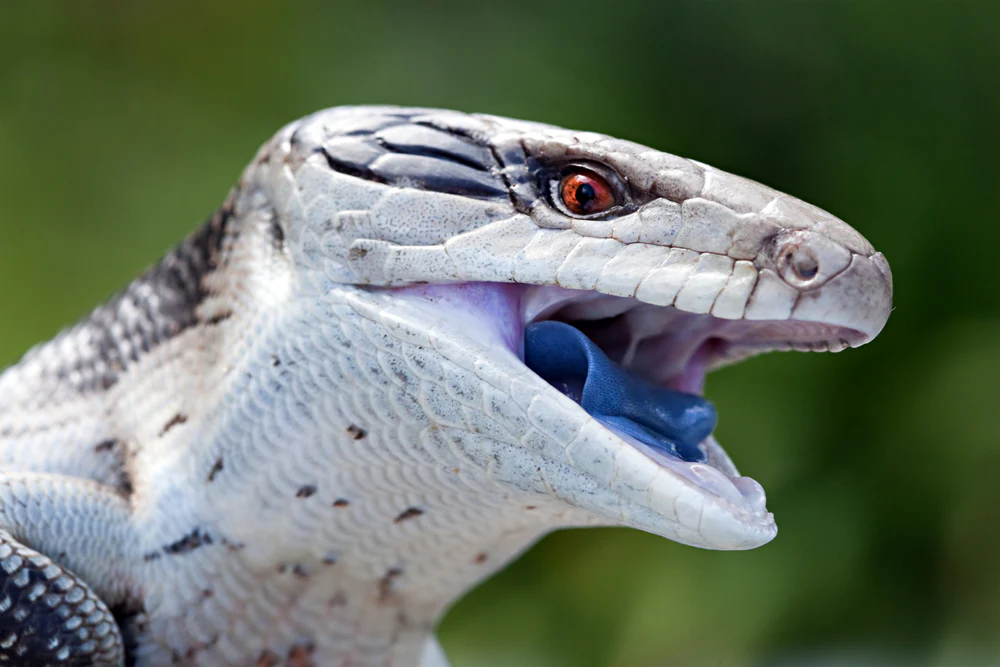
First off, their name isn’t a joke—their bright blue tongue is real, and they’ll flash it if they feel threatened. But it’s their personality that really gets people hooked.
Unlike those speedy, skittish lizards, blue tongue skinks take their time. They like to explore on the ground, not dart up walls. If you want a reptile you can actually interact with—without the chaos—these guys fit right in, especially in a busy household.
Northern blue tongue skinks are the top pick for most people. They’re consistent, a good size, and adapt really well to living in captivity.
Temperament: Maybe the Friendliest Reptile You’ll Meet
If you ask people why they chose a blue tongue skink, temperament always comes up first. These lizards almost never act aggressive. They move slow, act confidently, and don’t mind being picked up. Routine handling is fine, and they just don’t stress out easily.
A captive bred blue tongue skink from a good breeder in the USA is usually calm right from the start. They make great additions to any home.
Lifespan: A Pet That Sticks With You
Buying a blue tongue skink isn’t about having a pet for a year or two. With the right care, they’ll be with you for 15–20 years—and some go even longer.
In the USA, that kind of commitment puts them right up there with traditional pets when it comes to bonding and family life.
Going with a captive bred blue tongue skink really boosts your chances of a healthy, long-lived companion.
Feeding: Easy, Balanced, and Affordable
One big reason blue tongue skinks are everywhere in the USA? Their diet. They’re omnivores, so you’re not stuck chasing down fancy bugs or weird specialty foods.
What’s on the menu:
Insects and lean meats
Leafy greens and other veggies
Fruits now and then
Calcium and vitamin supplements
Honestly, feeding them is pretty straightforward—especially if you’ve got a captive bred one that’s used to a routine.
Enclosure Needs: Think Floor Space, Not Height
Before you rush out to get a blue tongue skink for sale, make sure you’ve got the right setup.
Here’s what an adult needs:
A 4x2x2 enclosure
A solid heat gradient
UVB lighting
Substrate for burrowing
A few solid hiding spots
In the USA, PVC enclosures are a favorite—they keep heat and humidity in, and they’re easy to clean. A captive bred blue tongue skink will thrive in a stable, well-built home.
Lighting, Heat, and Humidity: The Basics
These lizards need:
A basking spot between 95–105°F
A cool zone (about 75–80°F)
Full-spectrum UVB lighting
Northern blue tongue skinks (the ones you’ll usually find from breeders in the USA) do great in most indoor setups here.
Get the setup right, and you’ll see the difference in how they eat, grow, and just generally live their best life.
Thinking about getting a blue tongue skink because you want a reptile you can actually handle? Good call. These guys are pretty chill if you treat them right.
Here’s what you need to know about handling:
Support their whole body when you pick them up. Don’t make any quick moves. And handle them often, but always be gentle about it. If you go with a captive bred skink, you’ll notice they settle in faster and get used to people sooner.
Now, is it legal to own a blue tongue skink in the US?
Most places, yes, you’re fine. But laws change from city to city and state to state, so double-check before you buy. A legit seller or breeder won’t skip the legal stuff—they’ll follow the rules and let you know what’s up.
Captive breeding isn’t just a buzzword. It’s the only way to go if you care about your pet and want things done right. Captive bred blue tongue skinks are usually healthier, easier to feed, friendlier, and you don’t have to worry about parasites. Plus, you know exactly where your animal came from.
Don’t just buy from the first listing you see. A real breeder, someone who knows what they’re doing, will give you honest answers, health guarantees, and actual care advice. They focus on captive breeding, not just quick sales. Honestly, that’s way more important than finding the lowest price.
So, is a blue tongue skink the right fit for you?
If you want a calm, smart reptile that brings a little personality into your home, this could be it. They do great in most homes, stick around for years, and if you care for them, they’ll trust you right back.
Skinks for Sale: Your Guide to Buying Skinks in the USA and UK
Skinks are having a moment. More and more reptile fans in the USA and UK are discovering just how tough, smart, and downright rewarding these lizards can be. With their smooth scales and sturdy bodies, plus a chill attitude, skinks fit right in whether you’re brand new to reptiles or you’ve been keeping them for years.
There’s a lot of variety out there—from the well-loved blue tongue skink to oddballs like crocodile skinks and the harder-to-find broad headed skinks. This guide breaks down what you’ll pay, what to expect, and what to think about before you add a skink to your home.
Why Do So Many People Want Skinks?
Skinks aren’t like other lizards. They mostly stick to the ground. They’re calm, not jumpy, and you can handle them without a lot of fuss. In both the USA and UK, people pick skinks because they want a pet with some personality but not a laundry list of care demands.
Here’s what draws people in:
They’re calm and pretty predictable.
They can live a long time if you treat them right.
Captive-bred skinks usually have strong immune systems.
There’s a huge range—different looks, sizes, attitudes.
Blue Tongue Skinks: Price and What Changes It
Everyone wants to know about blue tongue skink prices. Makes sense—they’re some of the most popular skinks you’ll find in the USA and UK.
The price depends on a few things:
Subspecies (like Northern or Indonesian)
How old or big the skink is
Whether it’s captive-bred or wild-caught
The breeder’s reputation and location
In the USA, blue tongue skinks usually go for a mid-to-high price. Good breeding and strong demand keep the prices up. In the UK, prices can swing even more, especially for captive-bred skinks since they’re a bit harder to find.
Honestly, you get what you pay for. It’s worth spending a little more for a healthy, captive-bred skink.
Crocodile Skinks: For People Who Want Something Wild
If you’re after something unusual, crocodile skinks stand out. They look almost prehistoric, with their tough armor and those striking orange rings around their eyes.
They’re not really for beginners. Crocodile skinks need high humidity and don’t love being handled. But if you want a pet to watch, not hold, they’re fascinating—especially in a planted, bioactive tank.
These guys aren’t bred as often, so finding crocodile skinks for sale can be tricky. Always make sure you’re getting one that’s been bred in captivity.
Broad Headed Skinks: Rare, Powerful, and Not for Everyone
Looking for a broad headed skink means you’re probably deep into the hobby. These lizards are strong, muscular, and have jaws to match.
In the USA and UK, broad headed skinks are pretty rare. They need bigger enclosures, a really secure setup, and someone who knows what they’re doing. The price reflects that—expect to pay more, and they pop up for sale only now and then.
But for experienced keepers, they’re impressive and worth the effort.
Five Lined Skinks: Small, Lively, and Easy on the Wallet
If you want something smaller, check out five lined skinks. They’re quick, striped, and fun to watch. Beginners and hobbyists both like them.
You’ll find them more often in the USA than the UK, and they’re usually less expensive than bigger skink species. They don’t really enjoy being handled, but if you like setting up naturalistic enclosures and just observing, they’re perfect.
How to Pick the Right Skink
Before you buy, think about your space and your experience. Big skinks, like blue tongues, need room to roam. Smaller ones want more places to hide and climb. Make sure your setup fits the species.
Good skink-keeping comes down to a few basics:
Right enclosure size
Proper heating and temperature gradients
A diet that fits the species
Sourcing from ethical, captive-bred lines
Buying Skinks the Right Way in the USA and UK
Always check local laws before you buy. Rules can change depending on where you live, especially with rare species.
Trustworthy sellers will:
Tell you exactly where and how the skink was bred
Give you care info
Sell only healthy, well-adjusted animals
Answer your questions honestly
This stuff matters even more if you’re after a rare species or comparing prices for blue tongue skinks. Don’t rush—get the details, and you’ll end up with a pet you’ll love.
Skinks for Sale: Why These Smart Lizards Are Popping Up Everywhere in the USA and UK
Lately, you m
ight’ve noticed more people hunting for skinks for sale. It’s not your imagination—skinks are showing up in homes all over the USA and UK. They aren’t flashy, but they’re tough, easy to care for, and, honestly, way smarter than you’d expect from a lizard.
Think about the laid-back blue tongue skink or the crocodile skink that looks like it stepped out of a fantasy movie. Skinks bring something different to the table: real personality, without being high-strung. If you’re curious, here’s a rundown of the most popular species, what they cost in the real world, and what you n
eed to know before bringing one home.
Why Skinks Are Suddenly So Popular
Skinks aren’t like those speedy, fragile lizards that dart around and stress you out. They stick to the ground, move with confidence, and really settle into life in a terrarium. No surprise, more beginners and seasoned reptile lovers in the USA and UK are picking skinks instead of the usual suspects.
Folks searching for skinks for sale usually want:
A reptile that stays calm and doesn’t freak out
A species that actually does well in captivity
A pet with some real longevity
Straightforward, reliable care
Skinks tick every box.
Blue Tongue Skink Price: What People Actually Pay
Ask around and you’ll see everyone’s talking about blue tongue skink price. It’s all over the map. These guys are super popular in the USA and UK, and demand just keeps climbing.
Price boils down to a few things:
Which subspecies or bloodline you’re getting
How old or big the skink is
Captive-bred or shipped in
How many are around in your area
Blue tongue skinks tend to cost more in the USA, mostly because breeders stick to ethical standards and there’s always a market. In the UK, they’re sometimes pricier just because there aren’t as many available. Pay a little extra upfront, and you usually end up with a much healthier, happier skink.
Crocodile Skink for Sale: The Miniature Dragon
If you’re looking up crocodile skink for sale, let’s be honest—it’s probably the look that got you. These little tanks look straight out of a fantasy novel, with their rough scales and those wild orange eye rings.
Crocodile skinks are a hit on both sides of the Atlantic, especially with people who like to watch more than handle. They want a humid, natural setup and honestly, they’re better for keepers who already know their way around reptiles.
Captive breeding is still catching up, so crocodile skinks aren’t always easy to find. When you spot one for sale, it’s a bit of an event.
Broad Headed Skink for Sale: Rare and Impressive
Spotting a broad headed skink for sale? That’s something special. These strong, powerful skinks aren’t common, and they draw in experienced reptile folks looking for a standout animal.
In both the USA and UK, broad headed skinks are niche pets. They need more space, sturdier enclosures, and someone who knows how to handle them. They’re rare, a little pricey, but unforgettable if you’re up for the challenge.
Five Lined Skink for Sale: Small, Fast, and Full of Personality
People searching five lined skink for sale are usually after something smaller and lively. These skinks are tiny, super active, and their stripes really pop.
Five lined skinks show up more often in the USA and tend to be more affordable than their bigger cousins. They’re not exactly cuddle material, but set them up in a planted tank and you’ll get a front-row seat to some fascinating behavior.
Which Skink Fits Your Life?
You can’t lump all skinks together, and that’s half the fun. When you’re looking through skinks for sale, you need to think about:
How much space you’ve got
How much reptile experience you bring
How much you want to handle your pet
If you’re in it for the long haul
Big skinks like blue tongues want lots of floor space. Smaller ones care more about having stuff to explore.
Buying Skinks the Right Way in the USA and UK
With everyone jumping on the skink train, it’s more important than ever to buy responsibly. The best sellers don’t just have skinks for sale—they’re transparent, sell captive-bred animals, and make sure you know what you’re signing up for.
Before you buy, double-check:
Your local laws (they’re different in the USA and UK)
The skink’s health and what it eats
What kind of care this species really needs
You’ll get a healthier pet and a way better experience in the long run.
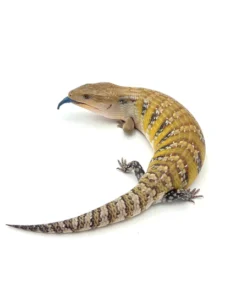
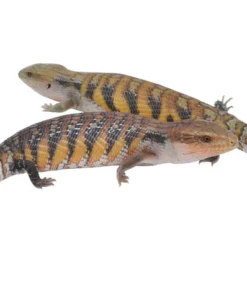
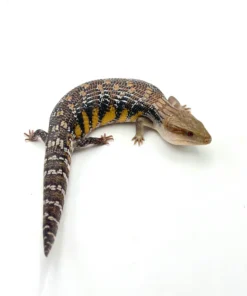
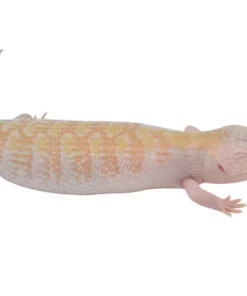
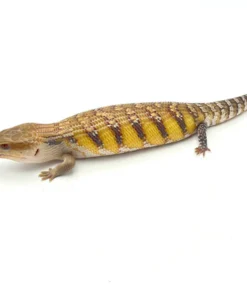
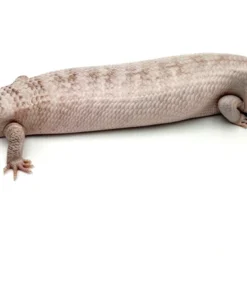
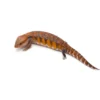 Highlighter Red/Orange Northern Blue Tongue Skink
$910.00
Highlighter Red/Orange Northern Blue Tongue Skink
$910.00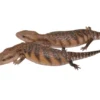 Classic Northern Blue Tongue Skink Special
$199.00
Classic Northern Blue Tongue Skink Special
$199.00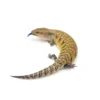 Insane Swedish Northern Blue Tongue Skink (HOLDBACK)
$550.00
Insane Swedish Northern Blue Tongue Skink (HOLDBACK)
$550.00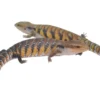 Swedish Northern Blue Tongue Skink Special
$299.99
Swedish Northern Blue Tongue Skink Special
$299.99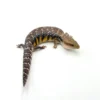 Dark Swedish Northern Blue Tongue Skink
Original price was: $299.00.$255.00Current price is: $255.00.
Dark Swedish Northern Blue Tongue Skink
Original price was: $299.00.$255.00Current price is: $255.00.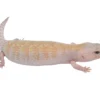 Ivory Blue Tongue Skink
$899.00
Ivory Blue Tongue Skink
$899.00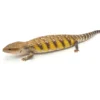 Incredible Swedish Northern Blue Tongue Skink
Original price was: $599.00.$499.00Current price is: $499.00.
Incredible Swedish Northern Blue Tongue Skink
Original price was: $599.00.$499.00Current price is: $499.00.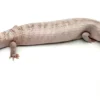 Ivory Blue Tongue Skink
$1,245.00
Ivory Blue Tongue Skink
$1,245.00